What Papua New Guineans think about Sorcery Accusation Related Violence
Today’s launch brings the voices of Papua New Guineans directly into the national response to Sorcery Accusation-Related Violence. Conducted by the Melanesian Institute in May 2026, this first-of-its-kind nationwide survey gathered the views of 2,000 people across all 20 provinces, the Autonomous Region of Bougainville, and the National Capital District.
For the first time, policymakers have national evidence of what Papua New Guineans think about SARV, how deeply it affects communities, and what they expect the government to do. The headline message is unmistakable: although belief in sorcery remains widespread, Papua New Guineans overwhelmingly reject the violence that follows an accusation. They regard SARV as contrary to Christian teaching and Melanesian values, and they are demanding stronger government action to prevent violence, protect survivors, and hold perpetrators accountable.
Together, Let Us Listen, Learn, And Act to end Sorcery Accusation Related Violence
What we are asking the Government to do
This launch calls upon the Government to:
- publish, fund, and fully implement the revised National SARV Action Plan;
- establish police-led rapid-response teams in provinces most affected by SARV;
- strengthen law enforcement and legal awareness;
- expand safe houses, healthcare, and protection for survivors;
- promote public understanding of the medical causes of illness and death; and
- integrate SARV prevention into school and community education.
Today’s presentation is a headline analysis, not the final comprehensive report. It highlights the most urgent and policy-relevant findings so that action does not have to wait.
The evidence is now before us. Papua New Guineans are not asking their leaders to solve the mystery of sorcery; they are asking them to stop the violence that follows an accusation. The Government must now turn this clear public mandate into funding, protection, justice, and measurable action.
Supported by the Australian Government through the Building Community Engagement in Papua New Guinea (BCEP) Program, part of the PNG–Australia Partnership.
Promoting cultural understanding and community progress
The Melanesian Institute in Papua New Guinea is a hub for intellectuals, researchers, and those working for positive change. The Institute conducts research, offers educational programs, and engages in social development initiatives, fostering interfaith dialogue and harmonious relations.
We serve churches, missionary societies and service institutions through research, publications, in-service trainings and culture-related courses for varying interest groups — including participatory community processes for grassroots communities.
Executive Director, Melanesian Institute
Empowering grassroots communities for sustainable development
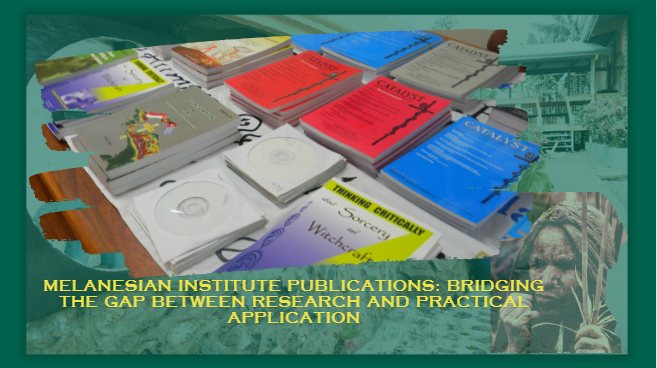
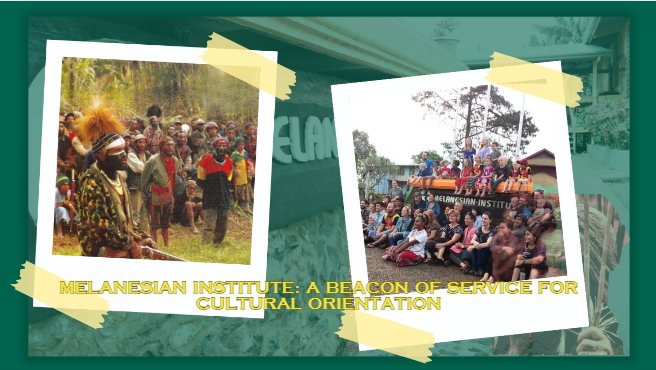
The Melanesian Institute has been serving the people of Papua New Guinea and beyond since 1969 in the areas of social research, publication and cultural orientation courses for church institutions, missionary societies, and interested individuals and organizations — local and overseas NGOs, researchers, foreign dignitaries and development workers, and government bodies. These core services have contributed greatly to nation building, missionary work and gutpela sindaun — fullness of life — for local communities.
However, these services have remained limited to expatriate communities and the few Papua New Guineans who can read and write. The Institute has not reached most Papua New Guineans living in remote communities with low levels of literacy. So how do we reach those communities? How do they become active participants rather than recipients? How can our services bring about social transformation, and be sustained at grassroots level? How can grassroots communities become catalysts of genuine change and drivers of their own development, right in their own backyards?
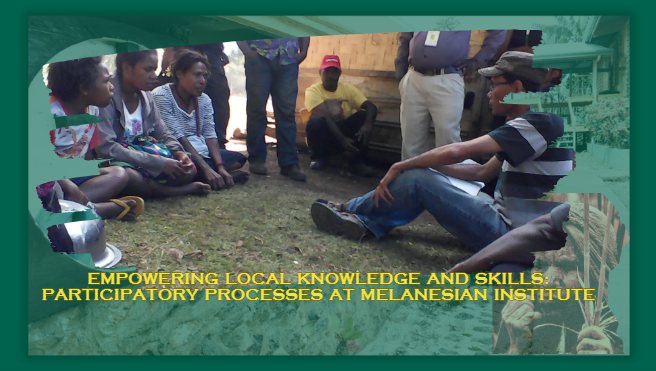
The Institute believes it is within its capacity and institutional mandate to deliver a fourth service that supplements and consolidates the other three, and that can address these collectively discerned questions. That emerging service is Participatory Processes for Grassroots Communities.
Calling all writers. Share your expertise with the Institute — Catalyst is accepting original and insightful articles.
How to submit