
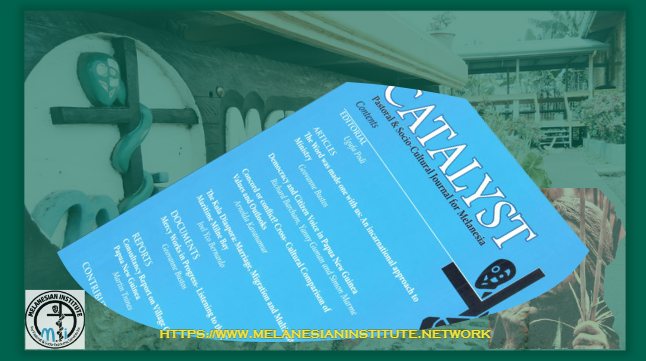
If you have written an article that you think would be suitable for publication in Catalyst, we would be very pleased to receive it. Please read and follow the instructions below before sending an article to our Editor.
- Please do not send us an article that has already been published in another journal, unless you can supply explicit permission from the publisher of the other journal.
- Please do not send us papers that contain, in part or in full, the work of others passed off as your own.
- Write your article using Microsoft Word or a compatible word processor. Use a common, easy-to-read font such as Calibri or Times New Roman.
- Structure your article well. Include an introduction and conclusion, and guide the reader through the body with informative headings.
- Use words and phrases that would be understood by a good Grade 12 student. Do not try to impress by using terms familiar only to highly educated specialists.
- We prefer writers to use footnotes. Use the “Insert footnote” function on the References tab in Word.
- Include a complete list of resources you consulted at the end. Use a widely accepted referencing style so others can find those books, articles or web pages.
- Ideally we want articles between 4,000 and 6,000 words. We will reject articles that repeat information to extend their length, or that we judge insufficiently related to pastoral and socio-cultural issues in Melanesia.
- Send your article as an email attachment to the MI General Editor. It will be considered at a meeting of the Institute’s Editorial Committee, who will collect feedback and let you know their decision. The General Editor may invite you to respond to committee members’ comments by rewriting parts of your paper. Alternatively, if your paper only requires minor spelling or grammatical corrections, the editor will do this and send you the final version to check and approve. Of course you have the right to withdraw your paper if you are unhappy with editing work done on it.
We also welcome letters to the editor concerning articles published in previous issues of Catalyst. We will consider publishing high-quality letters, but only with the writer’s permission.
Submissions are received by the Media & Publications Unit.